
 Facebook
 X
 Pinterest
 Copy Link
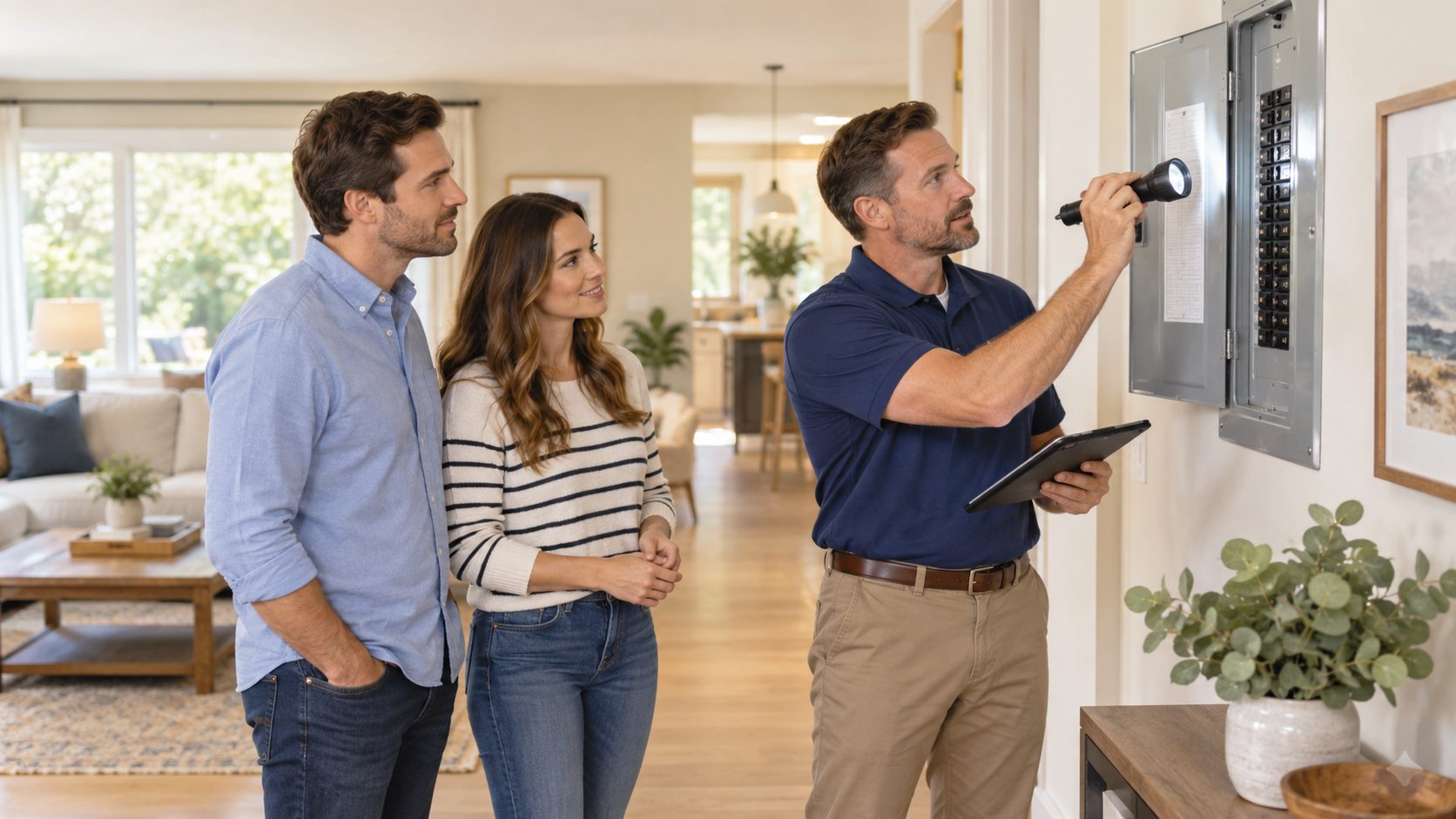
From Uncertainty to Understanding: Making the Most of a Home Inspection
A home inspection can be one of the most stressful parts of a real estate transaction. Sellers may worry that the inspector will uncover a problem that could jeopardize the sale, while buyers may fear that the home has expensive issues hidden beneath the surface.
Although inspections can feel intimidating, their purpose is not to frighten either party. A home inspection provides valuable information, encourages honest conversations, and helps everyone move forward with greater confidence.
Why Home Inspections Matter
A home inspection is a professional evaluation of a property’s visible and accessible systems and components. Depending on the home, an inspector may evaluate the:
- Roof, attic, and insulation
- Foundation and structural components
- Electrical and plumbing systems
- Heating and cooling systems
- Windows and doors
- Basement or crawl space
- Appliances included with the sale
- Exterior grading and drainage
An inspection is not a guarantee that nothing will ever go wrong. Instead, it offers a clearer picture of the home’s condition at the time of the inspection.
How Sellers Can Prepare
Sellers cannot control everything an inspector may discover, but they can take practical steps to make the inspection process smoother.
Consider a Pre-Listing Inspection
Some sellers choose to have their own inspection completed before placing the home on the market. A pre-listing inspection can identify concerns early and give the seller time to decide whether to make repairs, obtain estimates, or disclose an issue to potential buyers.
Discovering a problem in advance is usually less stressful than learning about it while facing a contract deadline.
Take Care of Simple Repairs
Small maintenance issues can create the impression that a home has not been properly cared for. Before the inspection, sellers may want to address items such as:
- Leaking faucets
- Loose handrails
- Missing outlet covers
- Burned-out light bulbs
- Slow drains
- Damaged screens
- Doors that do not close properly
- Missing or expired smoke and carbon monoxide detectors
These repairs may seem minor, but taking care of them demonstrates pride of ownership.
Make Important Areas Accessible
The inspector will need access to areas such as the electrical panel, furnace, water heater, attic, basement, crawl space, and garage. Sellers should move boxes, furniture, and stored belongings away from these locations.
The inspector should also have access to any keys, remote controls, or special instructions needed to evaluate the property.
Gather Maintenance Records
Receipts, warranties, permits, and service records can help answer questions about the home. If the roof was replaced, the heating system was serviced, or electrical work was completed, having documentation available may provide helpful reassurance to the buyer.
Be Honest About Known Issues
Trying to hide a problem can damage trust and may create legal or financial complications later. Clear disclosure allows concerns to be handled more professionally and reduces the possibility of unpleasant surprises.
Leave the Home During the Inspection
Buyers often feel more comfortable asking questions when the seller is not present. Giving the inspector and buyer space can help the appointment proceed more naturally.
How Buyers Can Use the Inspection
For buyers, an inspection is an opportunity to learn—not simply a chance to create a list of demands.
Learn How the Home Works
When permitted, buyers should attend the inspection. The inspector may explain where the main water shutoff is located, how to change filters, which areas require regular maintenance, and which repairs should be monitored.
This information can be especially valuable for first-time homeowners.
Separate Major Concerns From Minor Imperfections
Almost every inspection report contains a long list of observations, including those for well-maintained homes. The length of the report does not necessarily mean the property is in poor condition.
Buyers should focus on the significance of each item. Major concerns may include structural problems, active roof leaks, unsafe electrical conditions, extensive water intrusion, or failed mechanical systems. Minor items may simply be part of normal home maintenance.
A qualified inspector and an experienced real estate agent can help the buyer understand which findings deserve the most attention.
Request Additional Evaluations When Necessary
A general home inspector may recommend further evaluation by a licensed contractor, electrician, plumber, engineer, roofer, or other specialist. Buyers should take these recommendations seriously and gather additional information before making major decisions.
Specialized inspections may also be appropriate for septic systems, wells, radon, pests, mold, chimneys, pools, or underground oil tanks, depending on the property and location.
Use the Report to Make Informed Decisions
Depending on the contract and local practices, the buyer may decide to:
- Move forward without requesting changes
- Ask the seller to complete specific repairs
- Request a credit toward eligible closing costs
- Renegotiate the purchase price
- Obtain estimates before deciding how to proceed
- Exercise an inspection-related right to cancel, when allowed by the contract
Not every inspection finding requires renegotiation. The goal is to address meaningful concerns fairly while keeping the overall condition, price, and age of the home in perspective.
The Inspection Is Not a Pass-or-Fail Test
A home inspection does not give a property a passing or failing grade. Older homes naturally have different maintenance needs than newly constructed homes, and even new homes can have issues that require attention.
The most productive approach is to remain calm, gather reliable information, and focus on practical solutions. Buyers should avoid expecting a previously owned home to be perfect, while sellers should understand that legitimate safety or structural concerns may need to be addressed.
Communication Makes a Difference
Inspection negotiations can become emotional because both sides have something important at stake. The buyer is preparing to make a significant investment, and the seller may have years of memories and financial value connected to the property.
Clear communication can keep the conversation focused on facts rather than fear. An experienced real estate agent can help explain the available options, coordinate with the appropriate professionals, and guide negotiations toward a reasonable solution.
Final Thoughts
A home inspection may uncover unexpected information, but that does not mean the transaction is destined to fall apart. Many inspection concerns can be resolved through repairs, professional evaluations, credits, price adjustments, or thoughtful negotiation.
For sellers, preparation can reduce surprises and demonstrate that the home has been responsibly maintained. For buyers, the inspection provides knowledge that can help them understand the property and make a confident decision.
If you are preparing to buy or sell a home, I would be happy to help you navigate the inspection process with patience, clear communication, and professional guidance.
Jonathan Monsen, Realtor
914-621-7899
jonathan.monsen@randrealty.com
From “just looking” to “just moved in.”


